Reflection #1
Daisy Lamoureux, Content from September 18th
– Most Likely to Succeed and FIPPA
What?
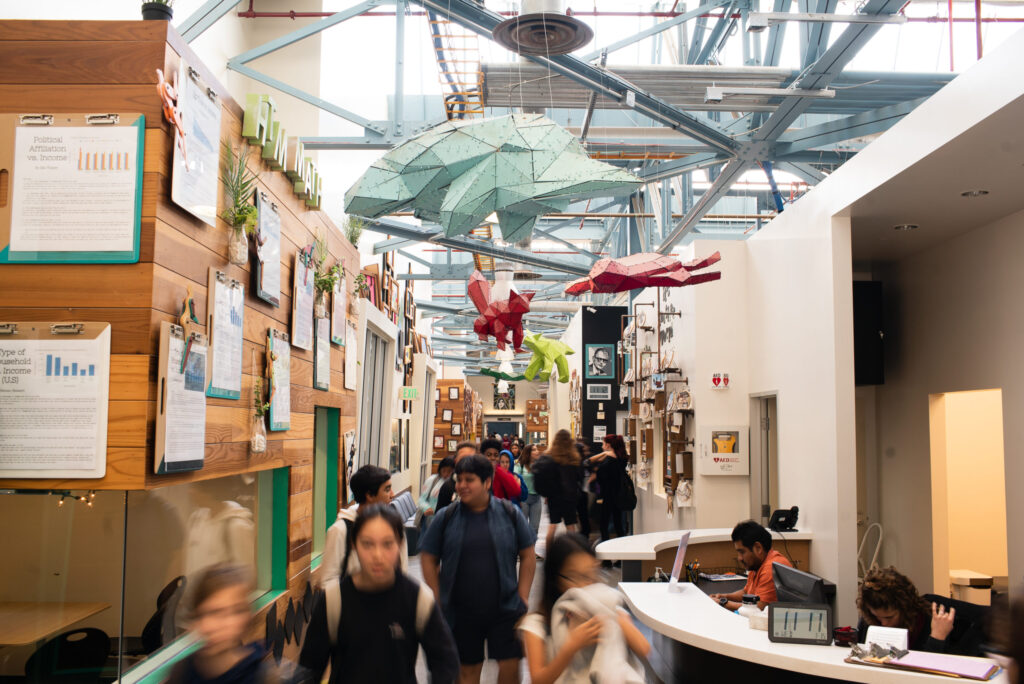
This week, September 18th, we discussed the documentary Most Likely to Succeed and learnt about FIPPA (Freedom of Innovation And Protection of Privacy Act). The Most Likely to succeed documentary stood out to me the most and was very eye opening. I left the lecture with a lot of information and perspectives to analyze and reflect on.
So what?
The documentary, and class discussions following it, brought me a new perspective on the variety of the different types of education and teaching styles that I had never considered before. The curricular design of High Tech High in San Diego is built around cross course integration, critical thinking, creativity, collaboration, and problem-solving; opposed to traditional education practices of separated subjects and testing. It was very enlightening to learn about their practices and compare it to the practices I have learnt and experienced in traditional education.
Pros:
High Tech High:
- High student engagement
- Fostering creativity and curiosity
- Independence
- Encourages resilience
Traditional Education:
- Clear expectations
- Easier assessments and curriculum coverage
- Preparation for post secondary
- Predictability and routine
Cons:
High Tech High:
- Unclear curriculum coverage
- Challenging to access students
- Significant teacher planning
- Poor preparation for post secondary
Traditional Education:
- Unengaging
- Can prioritise compliance over curiosity
- Focus on perfection over process
- Lower creativity and independence
Now what?
Exploring both traditional education and project-based learning has shown me that there are benefits and limitations to both approaches. This lecture has helped me use a new lens when thinking about my current and future educational practices. A blend of traditional and then more creative ways of assessing, and presenting information is something I want to foster in my future as a educator. This leaves me with the question of, how?
How can educators move beyond a one-size-fits-all approach of traditional education and create learning environments that balance academic achievement with creativity and still covering the curriculum and properly assessing?